What is medicinal cannabis?
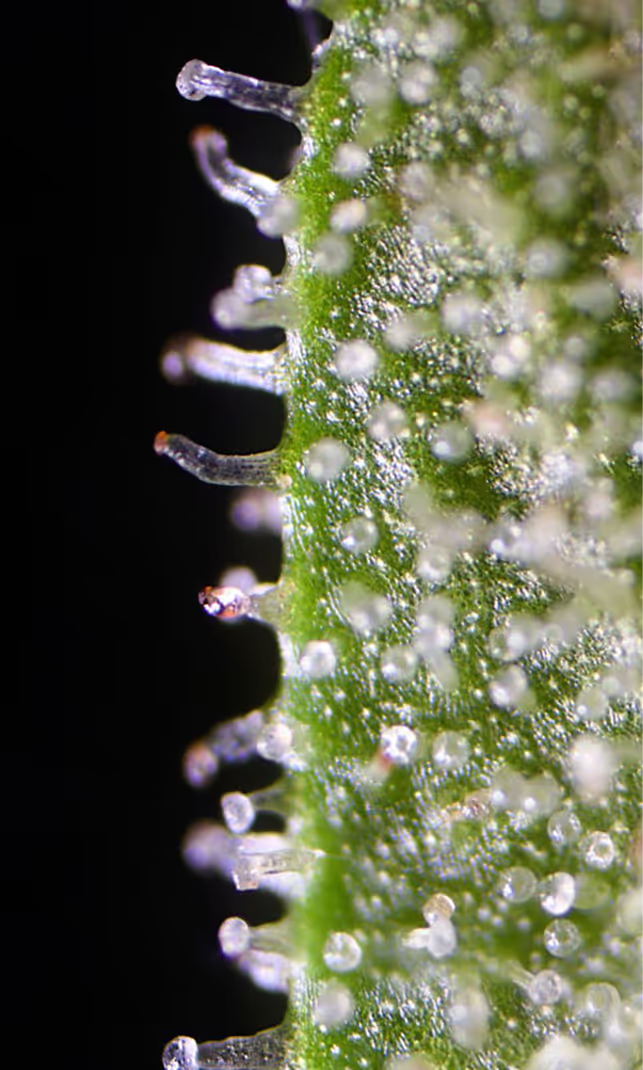
The cannabis plant contains hundreds of bioactive molecules.
There are two main active components that are used for medicinal purposes: delta-9-tetrahydrocannabinol (THC) and cannabidiol (CBD).
Cannabis medicines can either be CBD-only, THC-only, or a mix of THC and CBD. This is because different cannabinoid formulations are used for different conditions.
Medicinal cannabis can come in many different forms, including oil, dried herb for vaporisation (also referred to as ‘flower’), capsules, pastilles, creams, lozenges, and oro-mucosal sprays.
How is it accessed?

Medicinal cannabis became legal federally in 2016 following amendments to the Narcotic Drugs Act 1967.
- Products containing THC are generally classified as Schedule 8 (Controlled Drugs).
- CBD-only products (containing at least 98% CBD and no more than 2% other cannabinoids) are classified as Schedule 4 (Prescription Only Medicine).
Most medicinal cannabis products supplied in Australia are “unapproved goods”.
Unapproved goods have not undergone full Therapeutic Goods Administration (TGA) evaluation for registration on the Australian Therapeutic Goods Register (ARTG), but quality/manufacturing standards apply.
The TGA regulates patient access to unapproved medicinal cannabis products through the Special Access Scheme (SAS) and the Authorised Prescriber (AP) Scheme.
Only two cannabis medicines are currently registered on the ARTG: Epidyolex (cannabidiol) and Sativex (nabiximols).
Who are medicinal cannabis patients?

A medical cannabis patient is someone whose health condition is being treated by a registered healthcare practitioner who has prescribed them with a medicinal cannabis product to manage symptoms associated with a medical condition or health problem.
TGA data show that over one million approvals have been issued under the Special Access and Authorised Prescriber schemes since 2016. However, this figure reflects prescriptions or approvals rather than unique individual patients, making it difficult to gauge the exact number of patients.
Medicinal cannabis patients still suffer stigma associated with illegal cannabis. In addition, driving regulations and workplace drug testing currently treat patients who have been prescribed medicinal cannabis differently to patients with other prescription medications.
What conditions is medicinal cannabis used for?

According to TGA approval data, health conditions medicinal cannabis is prescribed for include:
- chronic pain
- anxiety
- sleep disorders
- PTSD-related symptoms
- cancer-related pain and symptoms
In many cases, medicinal cannabis is used to manage symptoms rather than cure the underlying condition.
As most medicinal cannabis products are currently supplied as “unapproved goods”, there is often limited high-quality clinical trial evidence available to inform clinical decision-making and treatment recommendations. Cannabis Council Australia is advocating for a central repository of Real World Evidence for medicinal cannabis.
What is the evidence underpinning medicinal cannabis?

Reviews by a number of evidence bodies, including the TGA, have found moderate evidence for some indications (such as chronic pain, chemotherapy-induced nausea and vomiting, and multiple sclerosis-related spasticity), and stronger evidence for certain forms of epilepsy treated with CBD. For many other conditions, evidence remains limited or evolving.
This is because there are some inherent challenges in conducting research on medicinal cannabis.
Unlike single molecule pharmaceutical products, medicinal cannabis is derived from a plant and comprises many chemical compounds. This can create complexities in intellectual property protection, particularly where naturally occurring compounds are involved, although specific formulations and uses may be patentable.
Randomised controlled trials for medicinal cannabis can be prohibitively complex and expensive to run due to the challenges associated with product consistency, appropriate placebo controls (and blinding) and regulatory constraints, not to mention the various dosing forms and formulations that may be involved (e.g. oral, inhaled, topical etc).
Much of the existing research literature addresses recreational cannabis use, which doesn’t compare to medicinal cannabis as it represents uncontrolled use and dosing compared to prescribed products by a trained healthcare professional. Finally, cannabis’ long-standing legal status as a prohibited drug in many countries presents a further barrier to research, and still carries stigma for researchers, doctors and patients.
However, there is increasing advocacy from organisations such as Cannabis Council Australia for real world evidence data registries to be established to inform efficacy, prescribing practices, dosing and address stigma.